
Communicate to Connect: 3 Neuroscience-Based Ideas Every Leader Should Know
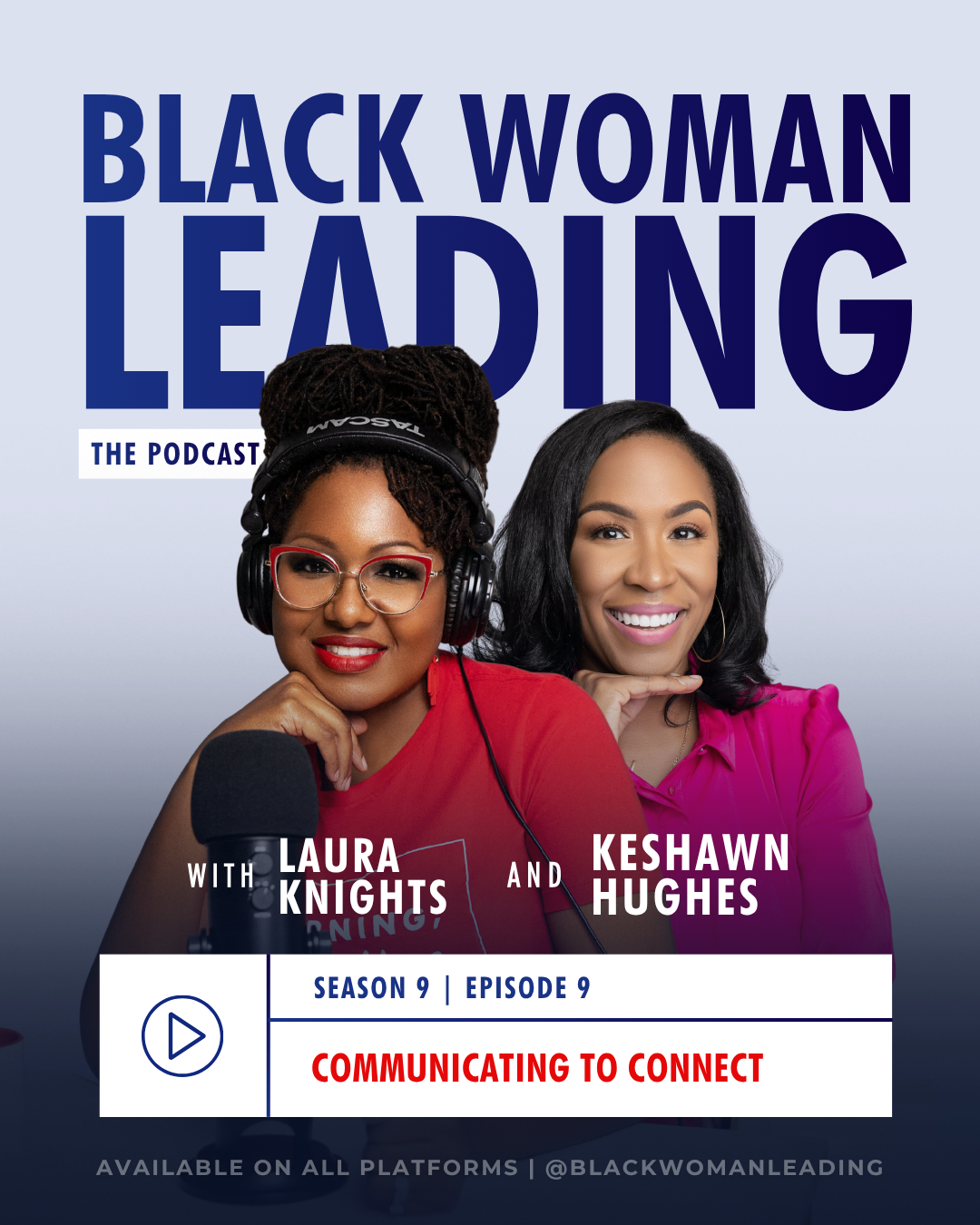
I recently had the pleasure of joining the Black Women Leading Podcast for a conversation about communication, connection, leadership, confidence, and the neuroscience that shapes how we show up in our relationships and workplaces.
What I enjoyed most was how practical the discussion became. We didn't just talk about theories. We explored everyday experiences many of us face as leaders, professionals, parents, friends, and human beings.
While we covered several topics, three ideas continue to stand out to me:
1. We Need More Oxytocin Drips and Fewer Dopamine Hits
At around 21:06, I shared a thought that has stayed with me for quite some time:
I believe many of us are living on dopamine hits while starving for oxytocin drips. Dopamine helps us form habits, complete tasks, and pursue goals. It's an important part of how our brains function. But dopamine is often short-lived.
Social media notifications
Likes
Quick wins
Endless scrolling
Oxytocin operates differently. Oxytocin grows through trust, eye contact, shared experiences, physical presence, and meaningful relationships built over time. When we experience hardship, uncertainty, grief, or major life transitions, those quick dopamine hits rarely sustain us. We rely on relationships, community and the people who know us and walk alongside us.
As leaders, this matters. The strongest teams aren't built solely through productivity. They're built through trust and connection.
2. Self-Advocacy Starts with Self-Awareness
At 33:52, we explored why self-advocacy can feel so difficult. Many people assume self-advocacy begins when we speak up. I believe it begins earlier and starts with self-awareness. Before we can communicate our needs, we need to recognize them. Before we can establish boundaries, we need to understand what is crossing them. Before we can ask for support, we need language for our experience.
This is especially important when past experiences have taught us to stay quiet, avoid conflict, or prioritize survival over self-expression. One practical strategy I often recommend is creating your own personal board of advisors.
Mentors.
Sponsors.
Trusted colleagues.
Peers.
People who help you process situations, challenge your thinking, and navigate difficult decisions. Self-advocacy may be personal, but it rarely develops in isolation.
3. Confidence Grows in Community
At 37:07, we discussed one of the most common goals people bring into coaching:
Confidence. People often assume confidence is something you either have or you don't. My experience tells a different story. Confidence grows in community. It grows through relationship, reflection, experimentation, and support. It grows when your nervous system feels safe enough to try, make mistakes, learn, challenge old assumptions and build new capabilities.
This is one reason coaching can be so powerful. Effective coaching doesn't simply provide answers. It creates a space where people can experiment, reflect, learn, and develop trust in themselves. Confidence is not one-size-fits-all. It's customized. The path looks different for every person because every person has different experiences, strengths, challenges, goals, and needs. The most effective growth journeys honor those differences.
Final Reflection
We covered many more ideas during the conversation, including communication, belonging, leadership, personal growth, and the importance of building meaningful relationships in an increasingly distracted world. I'd love for you to watch the episode and let me know what resonated most with you.
Watch the full conversation here:
Black Women Leading Podcast Episode
And if these topics interest you, follow NeuroSavvy Leadership and the Black Women Leading Podcast for more practical, neuroscience-based insights that help leaders, teams, and organizations communicate, connect, and perform at their best.